


 Zuhause /
Wahl eines Planetengetriebemotors basierend auf den Bewegungsanforderungen Ihrer Maschine
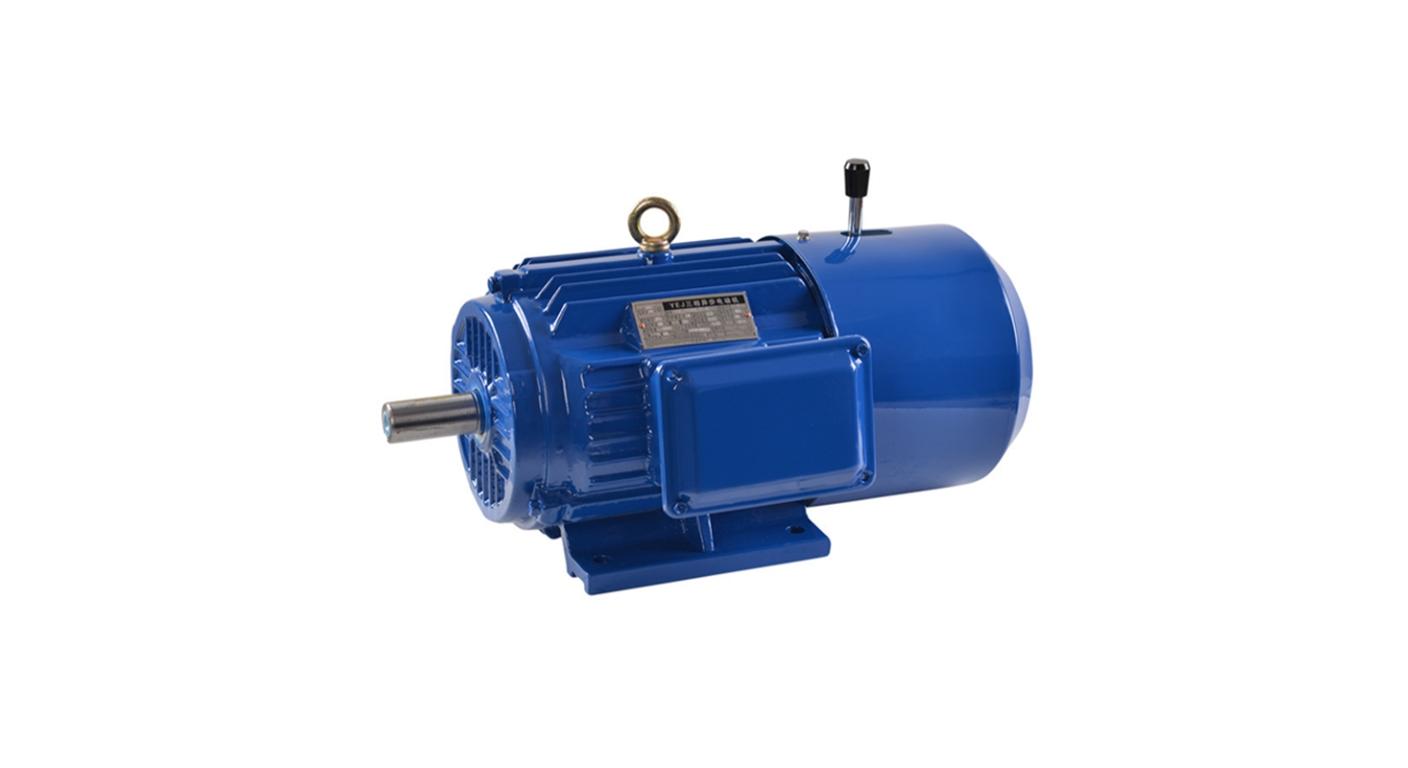
Rechtwinkliger Getriebemotor: Anpassung der elektrischen Versorgung, Variable Geschwindigkeit und Bremsen
26. Oktober, 2026
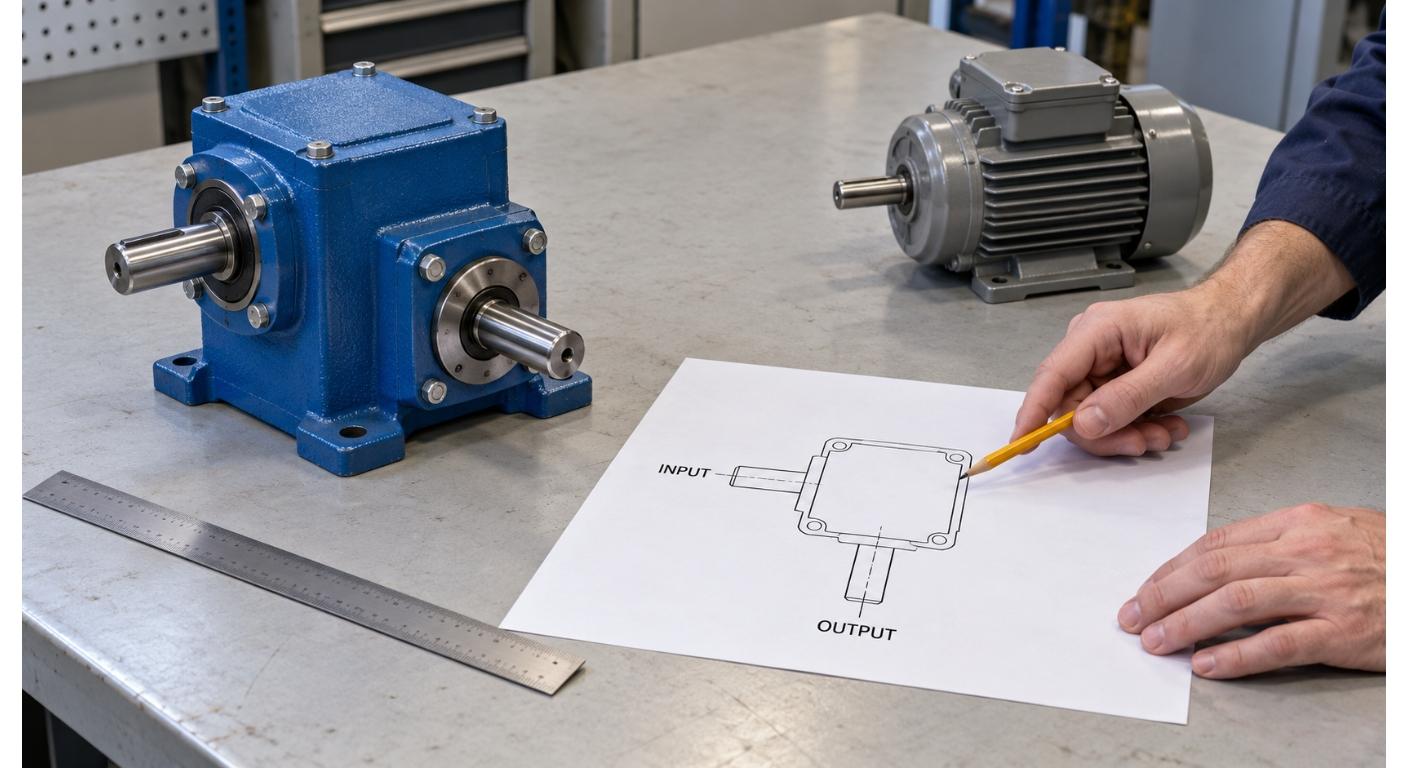
Planung einer Fasenreduktionsanlage: Setzen Sie die Anforderungen der Welle in ein praktisches Antriebslayout um
26. Oktober, 2026
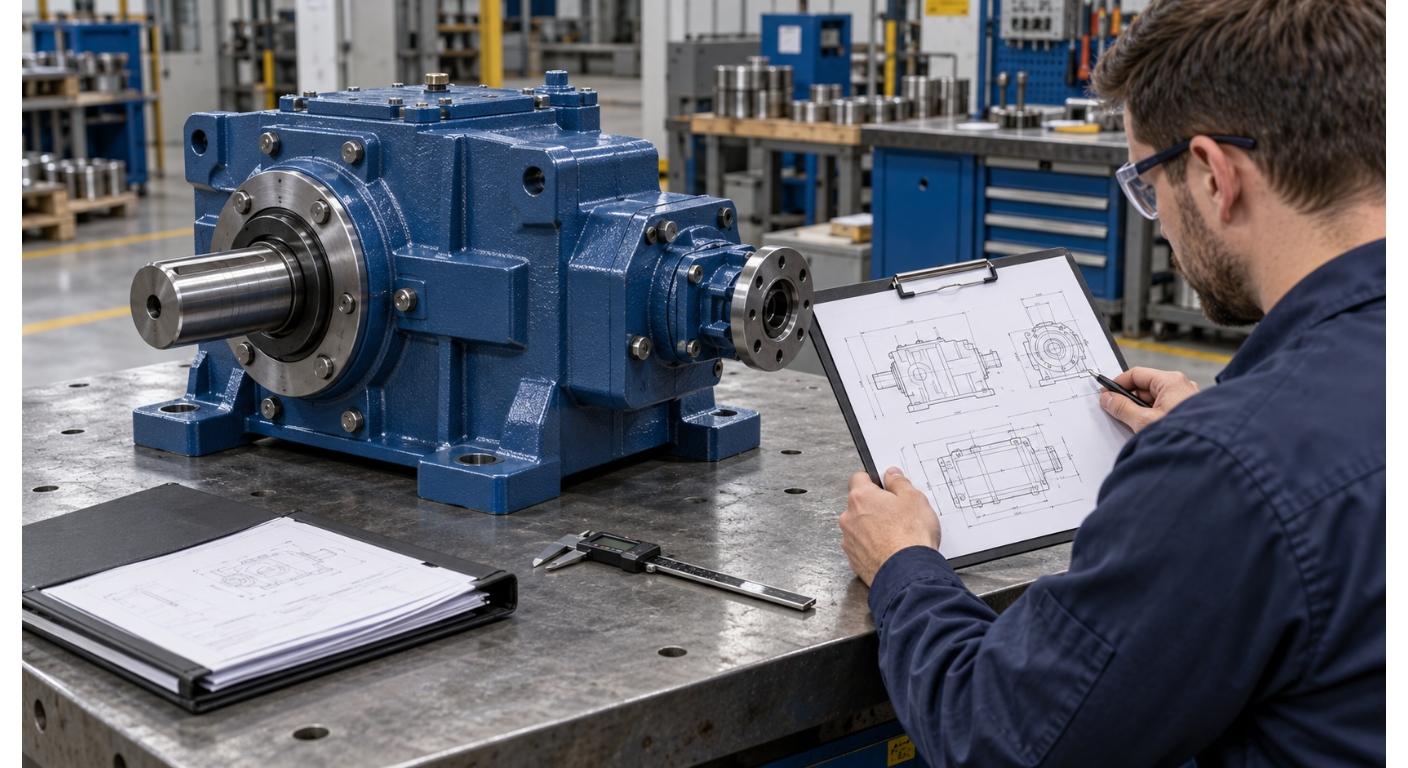
Wahl eines Überkopfkrangetriebes anhand seiner Heb- oder Antriebsfunktion
26. Oktober, 2026
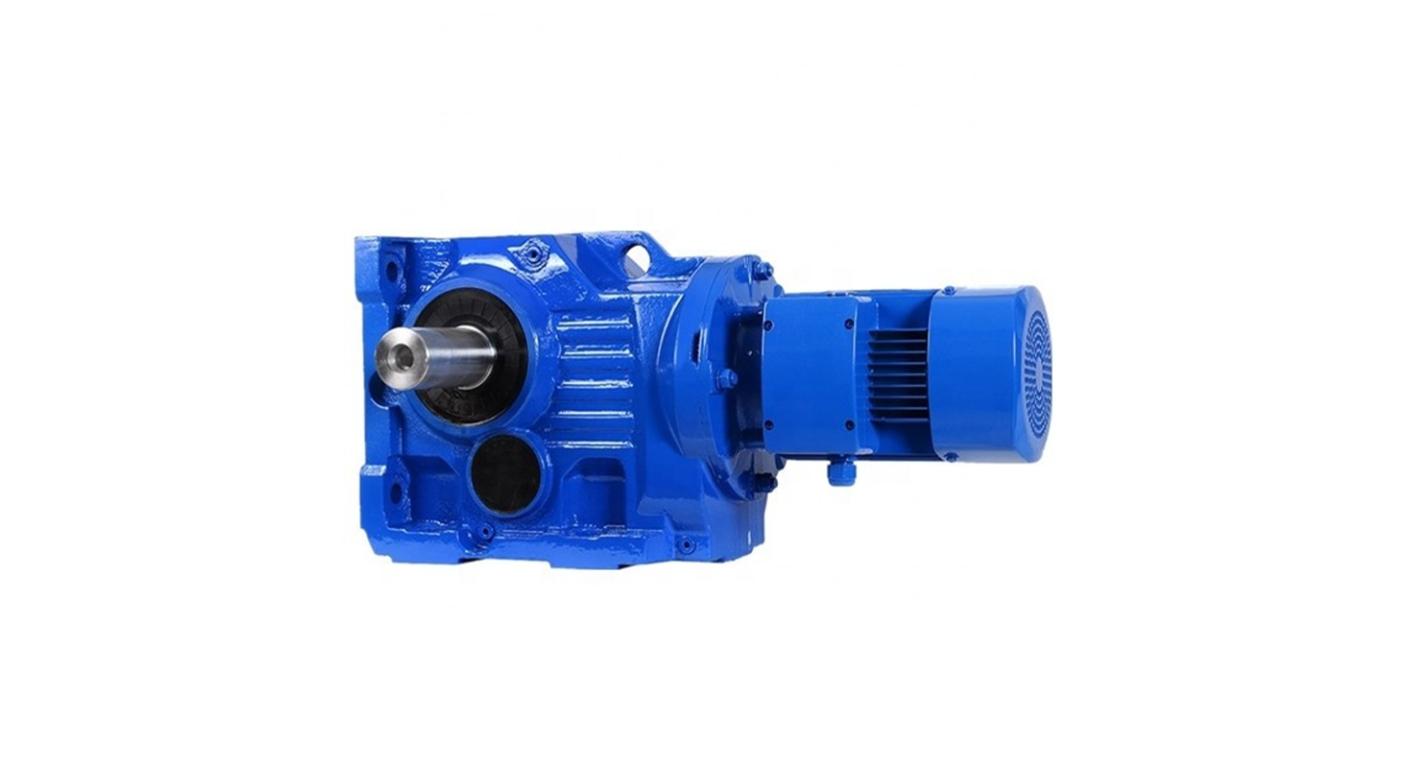
Ersatz eines industriellen Schneckengetriebes: Was man behalten und was neu bewerten sollte
25. Okt, 2026
Eine Maschine kann ausreichend Antriebsmoment haben, und dennoch nicht in der Lage sein, das Produktionsziel zu erreichen. Die Indexierungstabelle könnte zu weit gehen, positioning axis could take too long to settle or rotary drive could have trouble on repeated starts. These issues result in a power and motion performance question in the selection of planetary geared motors.
The first choice for automation engineers, as well as OEM buyers, is what the assembly has to do. Decide what it is to be done accurately and repeatedly, or heavily loaded in rotation; and select the reducer, motor and driven mechanism to fit that function.
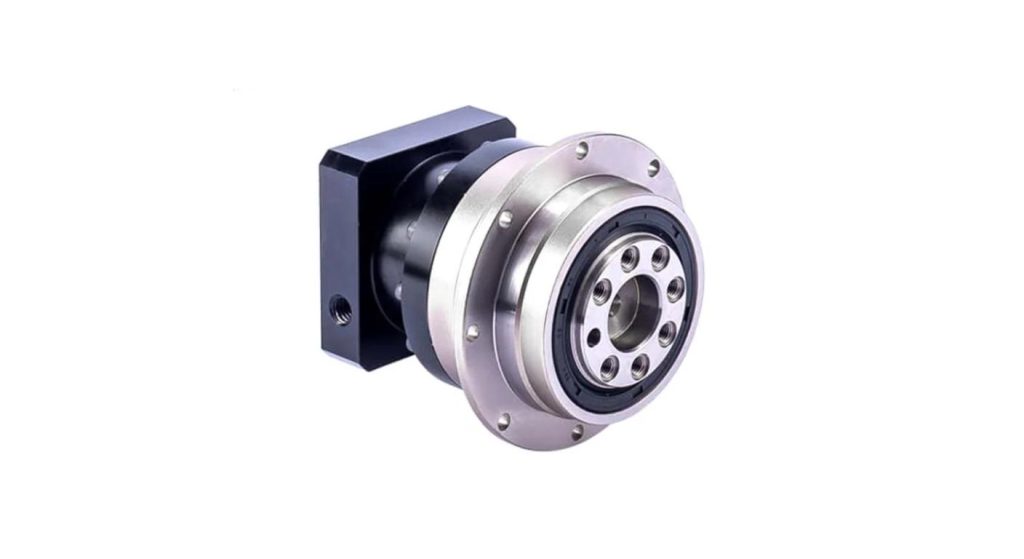
The same Search Term can be used for a variety of Drive Assemblies.
Planetary geared motor is a combination of planetary reduction and motor. In the gearset, planet gears spin next to a sun gear and meshed with an inner ring gear. This setup distributes the load transmitted in a number of meshes enabling compact torque transmission. Real capacity will depend on the geometry of the gears, the bearings supporting the gear and operating conditions.
The purchasing scope is important. Mingye's planetary gear reducer series include the PAB precision reducer, GMR planetary slewing drive. Reducer listing does not necessarily mean that the complete electric motor assembly is included. Before obtaining quotes, verify the kind of motor, adapter, coupling and assembly responsibility.
Precision positioning and hydraulic heavy-duty rotation are for this reason two different selection paths, both of which can be used with planetary gearing.
To start Positioning Axes with the Error Budget.
An axis specification should be a description of the acceptable error at the working point. A small angular clearance at a gearbox shaft can add up to be a large clearance at the end of a long arm or at the edge of a rotary table.
Zum Beispiel, 1 arcminute corresponds to 0.000291 radians. That angle will be approximately 0.058mm of tangential displacement at a 200 mm working radius. This calculation is for a contribution to the geometric clearance, and is not a total machine accuracy.
The Mingye's PAB Series High Precision Planetary Reducer is available with published precision P0, P1 options and backlash down to one arcminute. Verify the value for the proposed value and measurement conditions. Let the error budget of the remaining parts such as coupling, Ausgabe-Unterstützung, Encoder, control response, and machine structure be used instead of using the error budget of the reducer alone.
Backlash and Stiffness are two distinct issues.
Backlash is the clearance in the mechanism during backlash. Torsional stiffness is resistance to elastic twisting (Drehmoment). A reduction in clearance does not eliminate any load dependent deformation and, daher, a positioning axis may behave differently without a load than with its standard load.
In Mingye's talk on Torsionssteifigkeit, he discusses why the complete load path is important. Helikale Getriebe, needle roller support of the planet gears and a dual tapered roller output bearings are identified in the PAB product description. These are relevant features but not a substitute for a stiffness value determined by a specific configuration and/or an external-load assessment.
On a reversing axis, enquire about the variation of position with the two directions of working torque. Specify allowable settling time for a mechanism that stops before processing. The following questions relate to choosing a reducer for the useful performance of the machine rather than a reducer with a low backlash label.
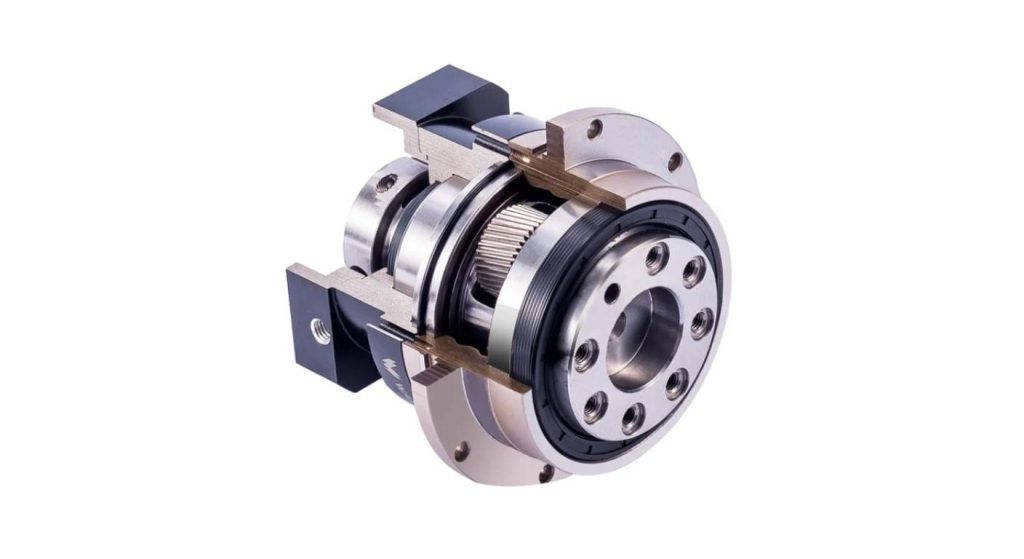
Utilize Whole Motion Cycle to Match the Motor.
The load on an index must be accelerated, moved, decelerated and, perhaps, stopped in place by a planetary geared motor. These stages are hidden behind an average output speed. Give the travel angle, move time, dwell time, payload inertia and cycle frequency to verify the motor/reducer against the actual profile.
The reduction alters the inertia to which the motor is subjected. Load inertia reflected to the input is equal to the output side load inertia times 1/r and squared. Motor, coupling and gearbox inertia and losses should also be taken into account in the real sizing, as well as the process load.
A higher ratio would cause reflected load inertia to decrease and increase the speed of the output motion for the same load. Review the input speed, Beschleunigungsmoment, repeated peak duty and thermal loading of the motor together for acceptability. When comparing ratings.mygearmotor.com motor-side calculations should not be compared to actual gearbox output-shaft loads.

Rotate differently in case of hydraulic heavy duty rotation.
The motor supply and braking system are a key factor when heavy rotary motion is required, but not precise servo positioning is. Mingye's GMR-Serie Planetenschwenkantrieb is said to be designed to be connected to constant or variable hydraulic motors, with optional brake and mechanical disengage functions available based on the model.
For this route, enter the working torque, shock events, output speed and the hydraulic supply conditions. The torque and speed achieved depends on pressure, flow and motor displacement – these cannot be substituted by a power figure for the electric motor.
Make sure that it is stated whether or not it has a brake, how it releases, and which load it is required to hold. If a brake is offered, it does not mean that all the combinations meet all the holding duties. Ähnlich, having a planetary reduction does not mean that a GMR drive can be swapped for a PAB servo-axis reducer.
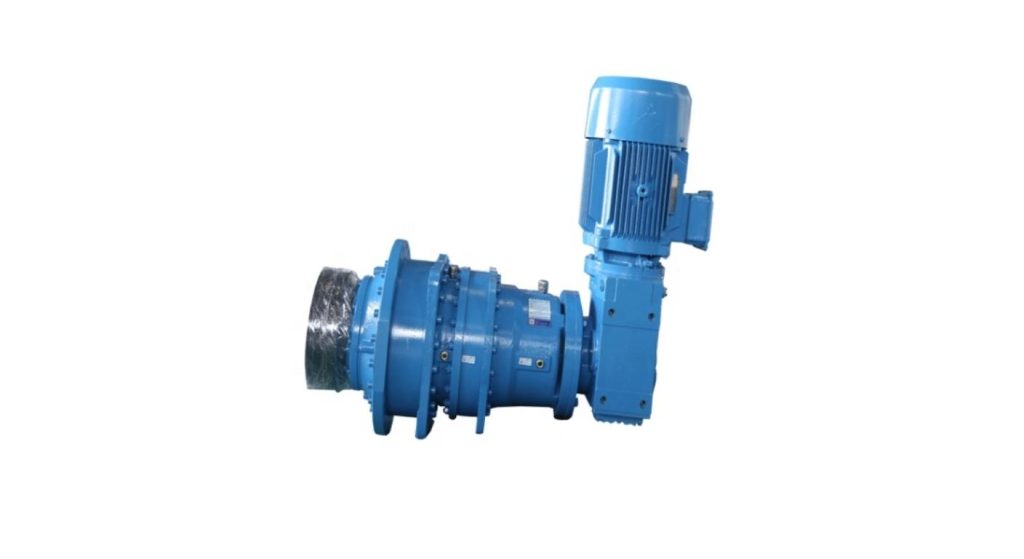
Verify and validate the Interface and Manufacturing Evidence
Motor compatibility is more than just a similar flange outline. Verify diameter of shaft, effective engagement length, locating register, bolt pattern and coupling requirements. The selection of motor and approved drawing is still the basis for integration, even though the PAB page has a description of a self-aligning input flange and customisable dimensions.
Also recognize external loads as in the case of pulleys, pinions or attached mechanisms. Having strong output bearings doesn't mean having unlimited radial, axial and moment capacity. Ask for loads at the actual application point (ALAP).
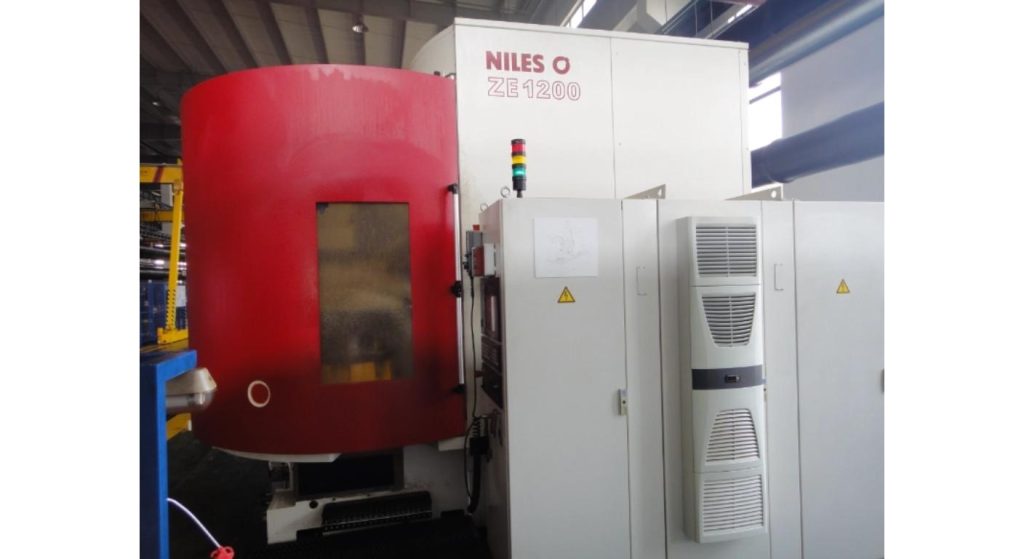
Mingye's website reveals that it has gear cutting, Zahnradschleifen, gear machining and gear dimensional inspection capabilities. Inquire about the processes and inspection records that are used for the proposed planetary product. Do not specify the material hardness, accuracy grade or treatment specifications from another series of gearboxes without confirmation.
Assemble and test against production conditions to verify.
Agree acceptance criteria of the complete drive before giving it a go green. Review payload, normal reversals, warm operating condition and representative cycle. See if the machine's actual motion matches the original motion requirement, and keep the approved motor code, reducer configuration, drawings and other information.
| Prototype Observation | Comparison to Make | Follow-Up Focus |
| Position shifts after reversal | Approach the same target from both directions | Clearance across the transmission |
| Position changes with payload | Compare unloaded and loaded stops | Elastic deformation and support |
| Oscillation follows deceleration | Compare gentle and rapid stops | Mechanical stiffness and control tuning |
| Temperature rises over repeated cycles | Compare startup and stabilized operation | Pflicht, Verluste, and motor loading |
The right planetary geared motor is the one that achieves its motion target time after time. When these are confirmed together under the same conditions which the machine will be faced with, Präzision, torque density and motor compatibility come to the aid of the machine.
FAQs
F1. Is an electric motor part of the planetary reducer?
Nicht unbedingt. Check if the quote is for a single reducer, or a motor adapter or a fully assembled drive.
F2. Does 1 arc min backlash mean that it can be positioned accurately?
Nein. It outlines one mechanical input; other inputs such as stiffness, working radius, control performance and the surrounding structure have a significant effect on machine accuracy.
F3. Does it invariably mean that the higher the ratio, the better the servo axis?
Nein, because reduced reflected inertia has to be taken into account together with the speed of the motor, limits of the gear box, motor efficiency and desired motion cycle.
F4. Can we use the same planetary drive for precision indexing and for hydraulic rotation?
Never treat equivalently. PAB products and GMR products cater to different Integration requirements, check the Motor, Output arrangement and Duty separately.
F5. What information is most important to have when they are making the initial selection?
Give motion profile, Lastdrehmoment, Trägheit, accuracy requirement and motor details. Add interface drawings and external loads on shafts for a thorough review.
Teilen Sie auf Social Social:


Kontaktieren Sie uns
In diesem Artikel
Rechtwinkliger Getriebemotor: Anpassung der elektrischen Versorgung, Variable Geschwindigkeit und Bremsen
26. Oktober, 2026
Planung einer Fasenreduktionsanlage: Setzen Sie die Anforderungen der Welle in ein praktisches Antriebslayout um
26. Oktober, 2026
Wahl eines Überkopfkrangetriebes anhand seiner Heb- oder Antriebsfunktion
26. Oktober, 2026
Ersatz eines industriellen Schneckengetriebes: Was man behalten und was neu bewerten sollte
25. Okt, 2026